
Hello world!
Click the "Hello World!" Button above to Leave a Comment!!!
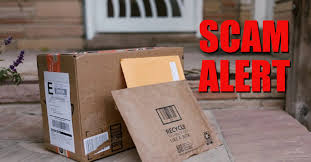
The Fake Package Delivery Scam: A Personal Encounter with Digital Deception
In today’s digital world, scams, hoaxes, and data manipulation attempts show up in places we barely expect. One example that I personally experienced was a fake package delivery scam, which appeared through a convincing text message. Although it seemed harmless at first glance, the real purpose of this scam was to steal personal and financial information by creating a sense of urgency. The scammers weren’t selling anything, they were trying to trick people into revealing sensitive data such as their home address, credit card information, and even login credentials. It was a clear case of digital manipulation designed to prey on the normalcy of online shopping and the routine nature of receiving packages.
The scam itself arrived as a short, urgent text message claiming that a package could not be delivered. It included a link that looked like a tracking page and used familiar names like USPS or UPS to seem legitimate. When clicked, the link led to a spoofed website that closely mimicked a real delivery service page. Once on the fake site, the user will be prompted to “verify” their name, address, and even credit card number to reschedule the delivery. For someone who wasn’t paying close attention, the entire process felt normal enough to follow without question. This is how the scam worked by blending in with everyday digital interactions and using realistic design cues to build trust long enough to steal information.
I realized it was a scam after noticing several red flags. First, I wasn’t expecting a package, which immediately made the message suspicious. The URL in the text also looked odd and didn’t match any official company website. Major delivery services only use established domains like UPS.com or USPS.com, so anything outside of that is already questionable. The tone of the message felt strange as well; it was rushed, slightly awkward, and clearly aimed at pushing me to act quickly. Most importantly, delivery companies never ask for credit card details via text message. These small details, once examined together, made it clear that the message was not legitimate.
There are several simple ways to figure out if something like this is real or fake. The biggest tip is to avoid clicking any link in a message unless you’re absolutely sure it’s legitimate. Instead, go directly to the official website of the company and use their real tracking tools. Checking the URL carefully is also crucial, because scammers often rely on tiny changes in extra letters, wrong spelling, or odd extensions to trick people. If you’re unsure, searching for the phone number or message online usually reveals whether others have reported it as a scam. And if something feels off, trust that instinct; taking a moment to slow down can prevent you from giving away personal information.
This experience reminded me how easy it is to fall for digital scams, even ones that seem simple or routine. Scammers rely on emotional reactions of urgency, fear of losing a package, or the desire to fix a problem quickly. By paying attention to details and taking just a few extra seconds to verify information, we can protect ourselves and help others recognize these scams before they cause harm. Sharing experiences like this can make a difference, because the more we understand how these tricks work, the better prepared we are to spot them.